
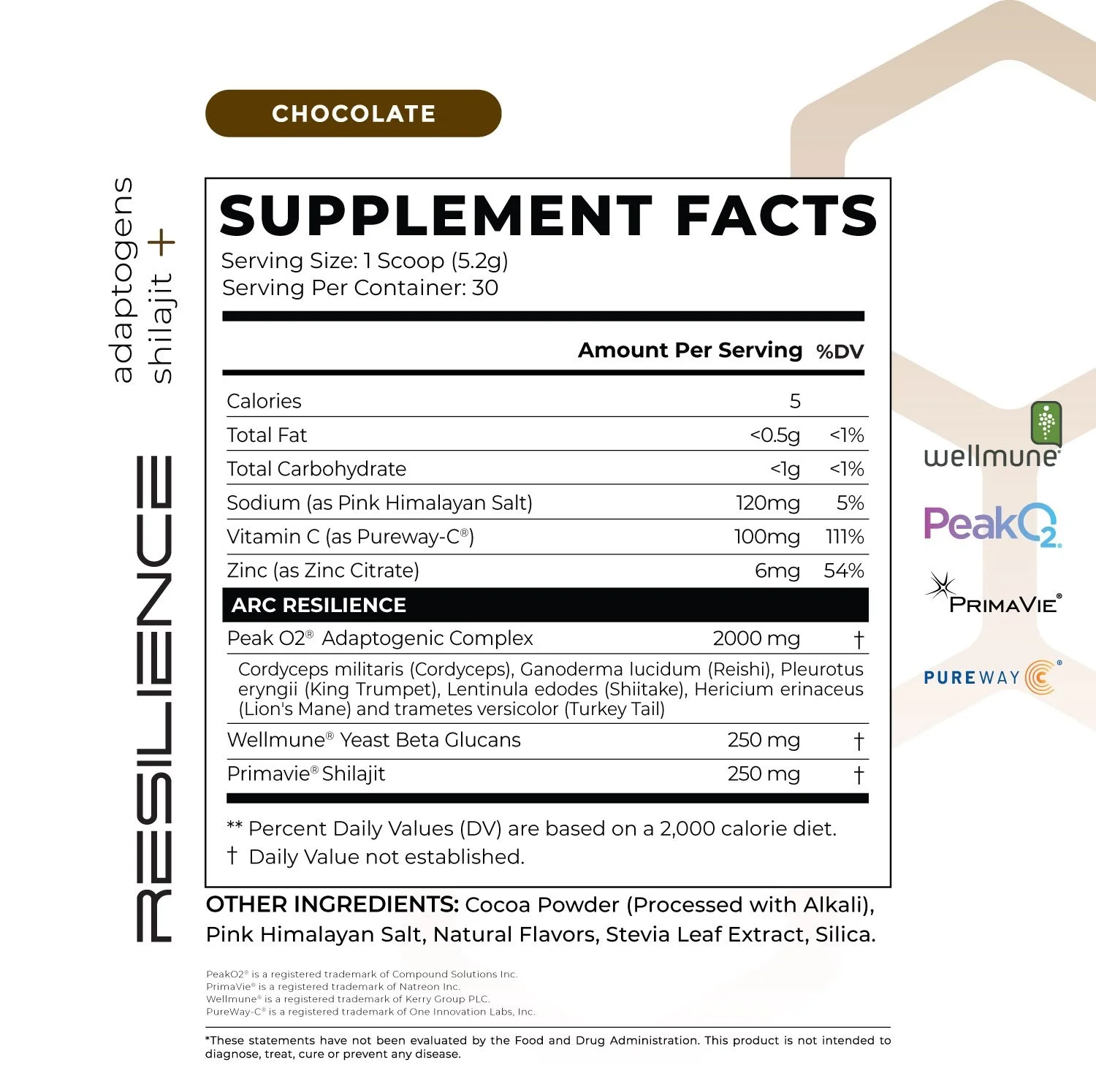
Research shows that PeakO2® improves VO₂ max, time to fatigue, and peak power output. In a 2019 study, participants taking PeakO2® for just 7 days showed significant increases in oxygen uptake and sustained power during high-intensity cycling compared to placebo. A longer 21-day study confirmed even greater improvements in performance under stress, making PeakO2® one of the most well-researched mushroom blends available.
References:
Jagim, A. R., et al. (2019). The effects of PeakO2® supplementation on VO₂ max and time to exhaustion. J Int Soc Sports Nutr, 16(1), 37.
Bloomer, R. J., et al. (2018). Effects of PeakO2® supplementation on performance and fatigue in trained cyclists. J Int Soc Sports Nutr, 15(1), 6.
A 2015 randomized controlled trial found that 500 mg/day of PrimaVie® led to significant increases in cellular energy (ATP) and antioxidant capacity within just 15 days. Additional studies suggest it also supports hemoglobin productionand iron regulation, making it beneficial for oxygen transport and post-exertion recovery.
References:
Pandit, S. et al. (2015). Clinical evaluation of PrimaVie® Shilajit in healthy volunteers. Journal of Ethnopharmacology, 173, 162–168.
Carrasco-Gallardo, C. et al. (2012). Shilajit as a phytocomplex for endurance and energy. Biological Trace Element Research, 150(1–3), 1–9.
In a 2009 study, endurance athletes supplementing with 250 mg/day of Wellmune® experienced fewer upper respiratory tract infections and improved immune biomarkers following intense training. Wellmune® has also been shown to enhance natural killer (NK) cell activity and help maintain immune readiness during physically or psychologically demanding periods.
References:
Talbott, S. M., et al. (2009). Beta-glucan supplementation in athletes. J Sports Sci Med, 8(4), 509–515.
McFarlin, B. K., et al. (2013). Reduced respiratory infection with Wellmune® supplementation. Journal of Dietary Supplements, 10(3), 171–183.
A meta-analysis in the American Journal of Clinical Nutrition found that Vitamin C supplementation can reduce oxidative damage and shorten recovery time in endurance athletes. Additional research supports its role in reducing the duration and severity of respiratory infections, especially under physical strain.
References:
Powers, S. K., et al. (2011). Exercise-induced oxidative stress: Cellular mechanisms and impact on muscle force production. Am J Physiol Regul Integr Comp Physiol, 301(3), R441–R454.
Hemilä, H. (2017). Vitamin C and infections. Nutrients, 9(4), 339.
According to studies in Nutrients and Molecular Medicine, athletes with low zinc intake are at higher risk of impaired immune function, inflammation, and delayed muscle recovery. Supplementing with zinc has been shown to improve T-cell function, reduce oxidative stress, and enhance immune readiness during high training volume.
References:
DiSilvestro, R. A. (2000). Zinc in relation to physiology and pathophysiology. Nutrients, 2(3), 199–200.
Prasad, A. S. (2008). Zinc in human health: Effect of zinc on immune cells. Molecular Medicine, 14(5–6), 353–357.